Scrap Car Removal Guide for 2026: What Vehicle Owners Need to Know
Scrap car removal has changed a lot over the past few years, and 2026 is shaping up to be another turning point. Rising metal prices, tighter environmental rules, and more convenient towing options mean vehicle owners now have more choices—and more responsibility—when it comes to getting rid of an unwanted car.
Whether your vehicle no longer runs, failed an inspection, or has been sitting unused for years, understanding how modern scrap car removal works can help you avoid delays, protect your personal information, and get fair value for your vehicle.
Many people still think of scrap removal as a last-minute decision made after a breakdown. In reality, today’s process is more structured and transparent, especially with licensed car salvage yards that offer documentation, professional towing, and proper recycling practices. For example, if you’re researching car salvage yards in Ontario and looking for a reliable option for scrap car removal Ajax, services like this provide a clear look at how the process works from pickup to final recycling.
As we move into 2026, scrap removal is no longer just about clearing space—it’s about compliance, safety, and sustainability.
How Scrap Car Removal Works in 2026
The basic idea remains simple: you exchange an unwanted vehicle for cash or credit, and the vehicle is removed and recycled. However, the steps involved have become more standardized.
Most reputable scrap car services now follow this process:
- Vehicle assessment (online or by phone)
- Price quote based on condition, weight, and demand
- Scheduled towing or pickup
- Ownership transfer and paperwork
- Vehicle dismantling and recycling
What’s changed is transparency. Many services now explain how pricing is calculated, what happens to reusable parts, and how fluids and materials are disposed of. This is especially important as environmental reporting requirements tighten across Canada.
When Is It Time to Scrap a Vehicle?
Not every old car should be scrapped immediately. In 2026, owners are encouraged to evaluate a few key factors before deciding.
Scrapping may be the right choice if:
- Repair costs exceed the vehicle’s resale value
- The car no longer meets emissions or safety standards
- Insurance or registration costs are no longer justified
- The vehicle has been unused for long periods and deteriorating
For vehicles that are unsafe to drive, scrap removal is often the fastest and safest option.
Special Considerations for Classic and Vintage Cars
Classic cars present a unique situation. While some are valuable restoration projects, others reach a point where repair is no longer realistic.
In these cases, specialized towing becomes essential to avoid further damage.
Towing Services Suitable for Classic Cars
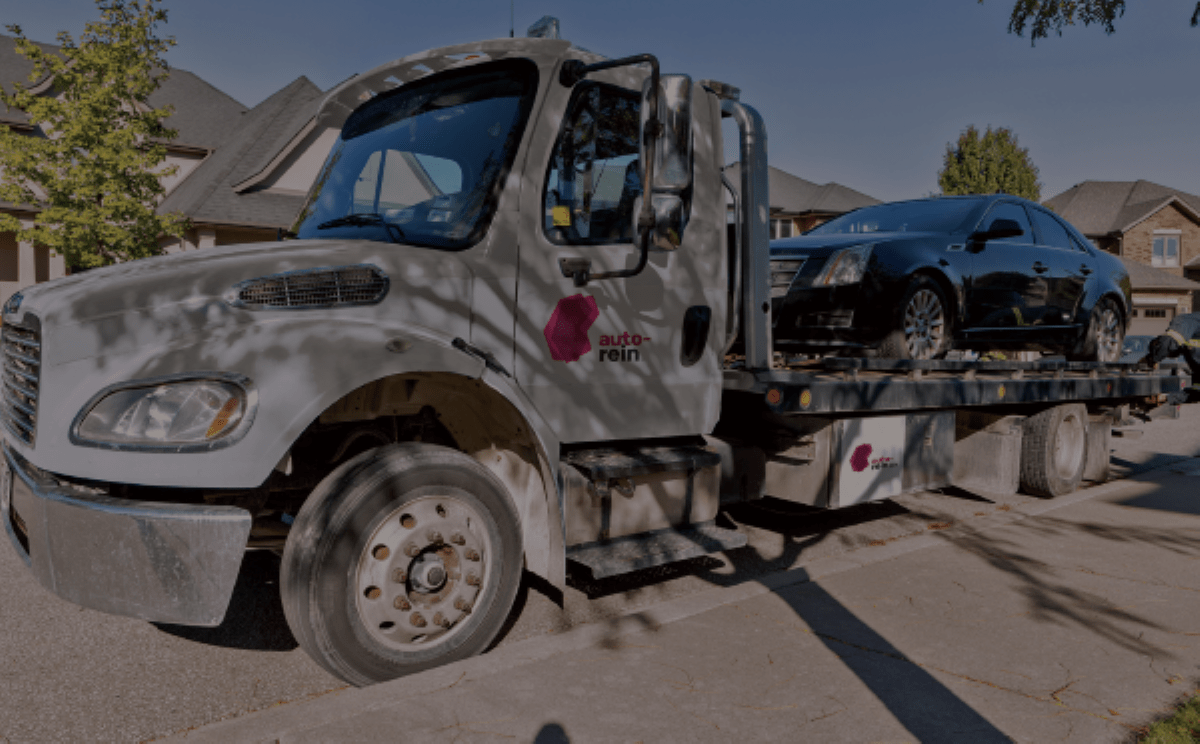
Flatbed towing (often called a flat deck) is the preferred method for classic vehicles. The car is fully lifted off the ground, preventing wear on tires, suspension, and drivetrain.
Low-angle loading is especially helpful for low-clearance vehicles, reducing the risk of scraping bumpers and undercarriage parts.
When a classic car doesn’t run, winch-only transport with controlled loading prevents sudden movement and reduces stress on the frame.
Pros and Cons of Using Scrap Car Removal Services
Like any service, scrap car removal has advantages and drawbacks depending on the provider you choose.
Pros
- Fast vehicle removal, often within 24–48 hours
- No need to advertise or negotiate with buyers
- Proper recycling and disposal
- Often includes towing at no extra cost
Cons
- Lower payout than selling a running vehicle privately
- Pricing varies with scrap metal markets
- Less suitable for restorable classic cars
The key is choosing a licensed service that explains your options clearly.
Environmental Impact: Why Scrap Removal Matters More Than Ever
In 2026, environmental compliance is one of the biggest reasons governments encourage proper vehicle recycling.
Modern scrap removal ensures:
- Fluids like oil, coolant, and brake fluid are safely drained
- Batteries are recycled separately
- Metals are processed and reused
- Hazardous materials are handled according to regulations
Improper disposal can lead to soil and groundwater contamination, which is why unlicensed removal services are increasingly penalized.
Documents You’ll Need Before Scrapping a Car
Before scheduling removal, gather:
- Vehicle ownership or title
- Government-issued ID
- Any lien release documents (if applicable)
Some provinces now require digital confirmation of ownership transfer, so working with a professional service simplifies the process.
What Happens to Your Car After Pickup?
Once removed, vehicles go through several stages:
- Dismantling of usable parts
- Separation of recyclable materials
- Crushing or shredding of the remaining frame
- Sale of metals to processing facilities
This process reduces landfill waste and supports the automotive recycling economy.
Scrap Car Removal vs Selling Privately
Many owners struggle with this decision. Here’s a simple way to look at it:
- Selling privately works best for running vehicles with minimal issues
- Scrap removal is better for non-running, unsafe, or heavily damaged cars
- Scrap services eliminate time, risk, and paperwork headaches
In 2026, convenience is often the deciding factor.
Common Mistakes to Avoid
- Accepting quotes without confirming towing is included
- Forgetting to remove personal items and documents
- Using unlicensed operators
- Not completing ownership transfer properly
These mistakes can cause legal or financial issues later.
Scrap Car Removal Options Compared
| Option | Best For | Pros | Cons |
|---|---|---|---|
| Licensed Scrap Removal Service | Non-running vehicles | Fast, compliant, includes towing | Lower payout |
| Private Sale | Running cars | Higher potential value | Time-consuming |
| Parting Out | Rare vehicles | Maximum value for parts | Requires storage and effort |
| Donation | Charity support | Tax receipt | No cash payout |
Final Thoughts
Scrap car removal in 2026 is no longer just a cleanup task—it’s a regulated, environmentally responsible process that benefits both vehicle owners and the community.
By understanding your options, choosing proper towing methods (especially for classic cars), and working with licensed providers, you can make the right decision without unnecessary stress.
If you’re dealing with an unwanted vehicle this year, taking a few minutes to research the process can save you time, money, and future complications.